Health visitors in south Wales set to strike after NHS employer ignores job evaluation appeal
Clinical
Image
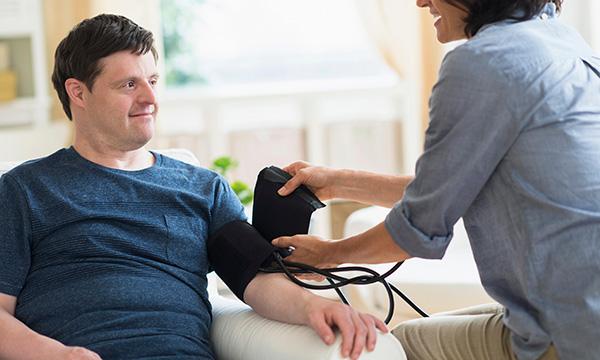
The Transforming Care agenda and subsequent scrutiny of hospital admissions for people with learning disabilities through care and treatment reviews (CTRs)
Image
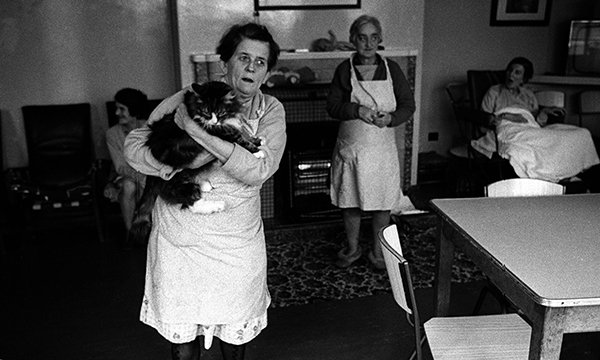
Familiarity and strangeness: a case study of one woman with learning disabilities in the 1940s-1950s
Examining the past reveals links with the present and enables reflection on how things have changed and what has remained the same.
Image

Aim To make the stories about former long-stay institutions available to a wider audience, preserve the history and improve societal attitudes
Image
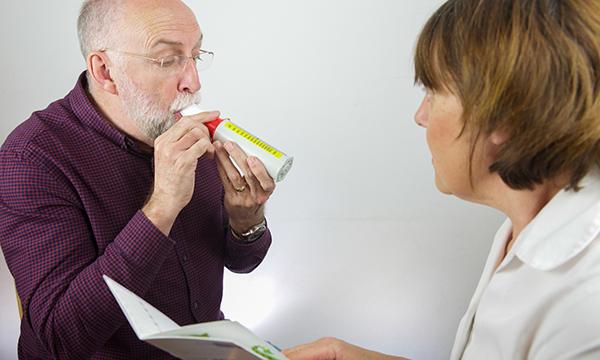
People with intellectual disabilities have greater health needs than the general population, however they also experience greater inequality in accessing he
Image

People with learning disabilities are at increased risk of low bone mineral density, osteopenia, osteoporosis and fractures, compared to the general populat
Image

People with profound and multiple learning disabilities experience communication difficulties that can be a barrier to social inclusion, an important determ
Image

This article describes one learning disability nurse’s experience of being seconded to work on a research project in a university setting.
Image

The 2014 launch of Positive and Proactive Care: Reducing the Need for Restrictive Interventions by the Department of Health (DH) in England was a landmark e
Image
The 2014 launch of Positive and Proactive Care: Reducing the Need for Restrictive Interventions by the Department of Health (DH) in England was a landmark e
Image

This article outlines the initial training and continuing facilitation of team-based formulation groups in a community team for people with learning disabil
Image

The Norwegian social educator training is a three-year programme at the undergraduate level.
As women grow older, they are at increased risk of developing breast cancer.
People with intellectual disability, until recently, had notably earlier mortality rates than the general population, but many are now living into their fifties, sixties and beyond.
Intensive interaction is a communication technique used with people with autism and/or severe-profound intellectual disability.
It is well known that people with learning disabilities face health inequalities and inequitable access to health services.
People with multiple morbidities need a tailored approach to care, according to a new guideline from the National Institute for Health and Care Excellence.
Challenging behaviour is any culturally abnormal behaviour that places the person, or others, in serious jeopardy. It is prevalent in people with cognitive impairments and can present as self-injury, aggression, destructive behaviours and wandering.
NHS England has committed to reduce the amount of psychotropic medicines being prescribed for people with learning disabilities.