Health visitors in south Wales set to strike after NHS employer ignores job evaluation appeal
Clinical
Image
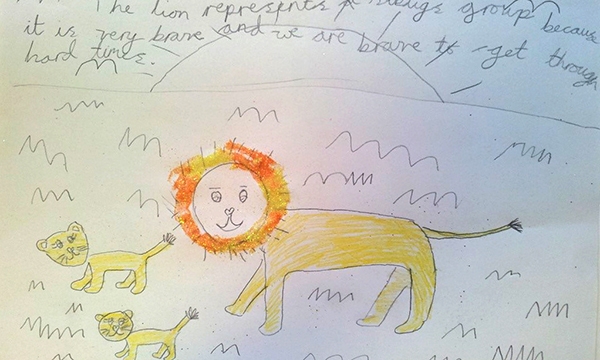
Siblings of children who have a disability frequently take on care, responsibility and advocacy roles, often into adulthood.
Image

People with Down’s syndrome are more likely to have additional health complications than the general population, including coeliac disease.
Image

Second in a series about conditions with common symptoms that constitute syndromes
Image
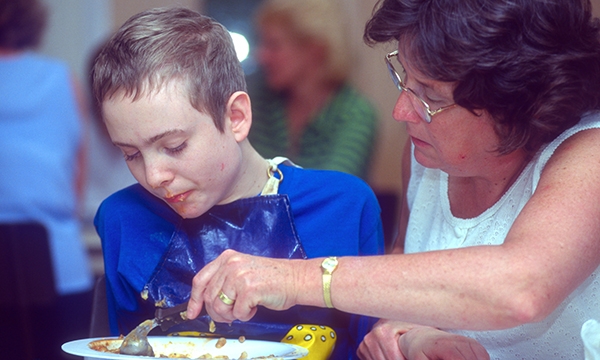
Aim Eating, drinking and swallowing difficulties can have serious outcomes for children and adults with learning disabilities.
Image

International student exchange is an opportunity to discover and learn from practice in other countries but few students sign up.
Image
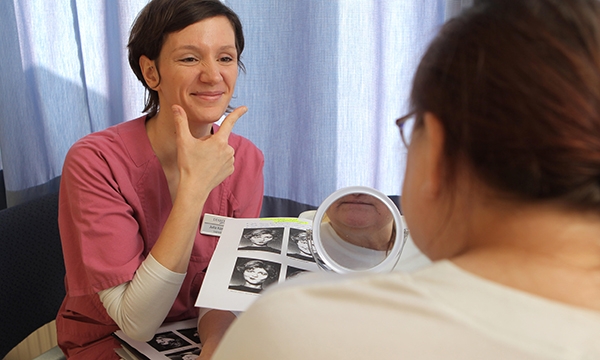
Communicating effectively, interprofessionally and with adults with intellectual disabilities, and relevant support staff are vital components of person-cen
Image
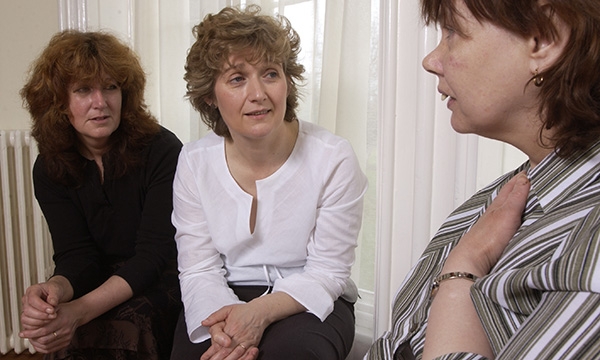
Service-user involvement is important in learning disability services.
Aim Eating, drinking and swallowing difficulties can have serious outcomes for children and adults with learning disabil
International student exchange is an opportunity to discover and learn from practice in other countries but few students sign up.
Image

First in a series about conditions with common symptoms that constitute syndromes
Image
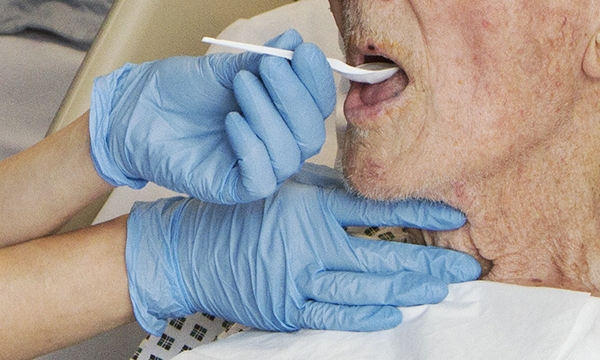
This article outlines the difficulties that people with severe and profound intellectual and multiple disabilities may have when swallowing.
Image
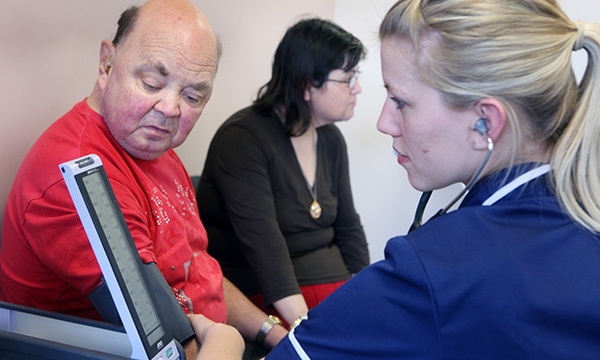
There is increasing evidence that the Health Equalities Framework (HEF) benefits people with learning disabilities, but there is little information about se
This article explores the lived experiences of five nursing students who participated in the Erasmus+ programme, an initiative – funded by the European Union – which aims to support projects that enhance, modernise and innovate education and training in Europe.
Physical intervention techniques must continue to be refined and developed to ensure they are safe and fit for purpose.
This article outlines the difficulties that people with severe and profound intellectual and multiple disabilities may have when swallowing.
There is increasing evidence that the Health Equalities Framework (HEF) benefits people with learning disabilities, but there is little information about service users’ and carers’ views of it.
Physical intervention techniques must continue to be refined and developed to ensure they are safe, and fit for purpose.
This article explores the lived experiences of five nursing students who participated in the Erasmus+ programme, an initiative - funded by the European Union - which aims to support projects that enhance, modernise and innovate education and training in