Health visitors in south Wales set to strike after NHS employer ignores job evaluation appeal
CPD articles
Image
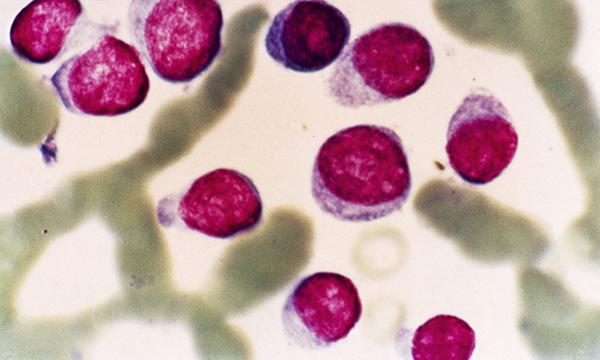
This article aims to provide nurses with an update of best practice in caring for patients living with a diagnosis of myeloma.
Image
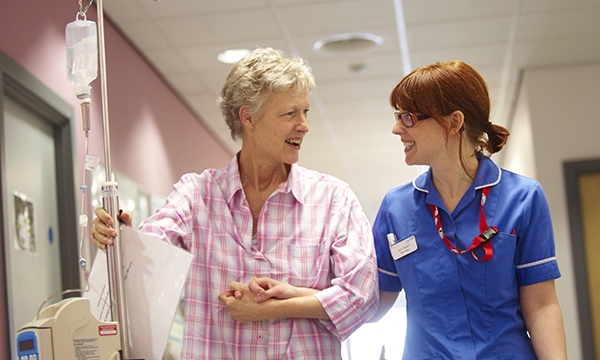
There are compelling reasons why nurses should be engaged in teaching patients who have cancer.
Image

Over the past ten years there has been a rapid increase in new biological (targeted) anti-cancer therapies.
Image
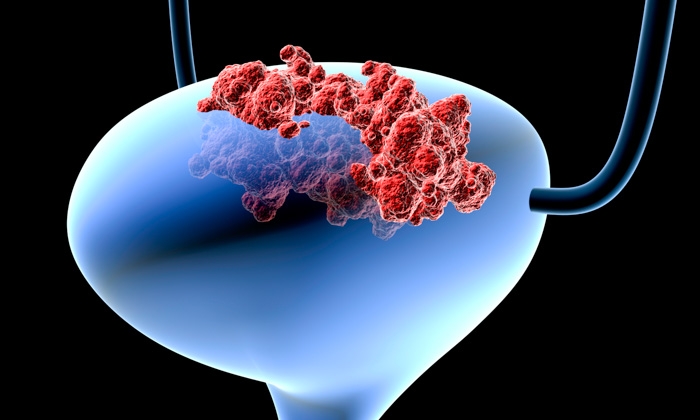
Bladder cancer is a common health problem affecting thousands of people in the UK.
Image

This article aims to increase nurses’ understanding of resorption inhibitor-associated osteonecrosis of the jaw, a common bone metastasis that can develop f
This article aims to update nurses on cancer pain incidence, causes, assessment and management approaches.
This article focuses on the diagnosis, management and follow up of patients with bone sarcoma.
Malignant melanoma is the sixth most common cancer in the UK and its incidence is rising, with large numbers of people living with the diagnosis.
Gastric (stomach) cancer is the second most common cause of cancer-related deaths worldwide, despite decreasing incidence.
Ovarian cancer is the fourth most common cause of cancer death among women.
This article focuses on priorities and challenges for practitioners working with teenage and young adult (TYA) patients aged 16 to 2
This article aims to update nurses on prostate cancer with emphasis on incidence, epidemiology, risk factors, symptoms, diagnosis an
There are an estimated two million cancer survivors in the UK, many living with the long-term consequences of treatment.
Neuroendocrine tumours are rare, accounting for only 0.5 per cent of all malignancies.
Few nurses are confident about discussing sexuality with patients, even when cancer or treatment seems to mandate a review of this subject.
Oral cancer is estimated to be the ninth most common cancer worldwide. This article examines risk factors, diagnosis, management and the clinical nurse specialist’s role in providing care to and supporting patients with this challenging disease.
Lung cancer is the second most common cancer in the UK and, with poor survival rates, it is the biggest cancer killer.
An estimated two million people in the UK are living with or beyond cancer – they are cancer ‘survivors’. The disease is no longer a death sentence but a chronic condition for many people.