Health visitors in south Wales set to strike after NHS employer ignores job evaluation appeal
Clinical
Image

Life expectancy rates for patients who have myeloma, which affects areas of the body where bone marrow is active, are improving.
Image

Comprehensive geriatric assessment (CGA) is used to assess older patients’ comorbidities, physical and mental health.
Image

Aim To investigate the self-reported mental healthcare training needs of oncology nurses in Ireland.
Image

Rates of cancer survival have increased in recent decades as a result of earlier diagnosis and improved therapies, but a longer lifespan does not necessaril
Rates of cancer survival have increased in recent decades as a result of earlier diagnosis and improved therapies, but a longer lifes
Ensuring the safest care for patients undergoing infusion therapy through updated guidance
Image

The Transforming Care After Treatment (TCAT) programme aims to improve care for people living with and beyond cancer in Scotland.
Image
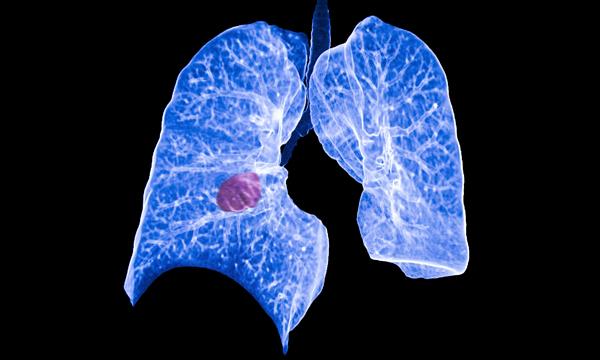
This article provides an overview of ALK-positive non-small cell lung cancer and the types of molecular tests carried out to diagnose the disease.
Image

The management of patients on therapies is an important part of the lung cancer nurse specialist role.
Image
The previous articles in this supplement have outlined the role of the lung cancer nurse specialist in delivering high quality care for patients with advanc
<p>Lung cancer is the most common cause of cancer mortality in the UK, accounting for more than one in five cancer deaths (Cancer Research UK 2016).
Image

A diagnosis of head and neck cancer can be physically and emotionally debilitating.
Health and well-being events form part of the recovery package for people living with and beyond cancer where they can access help and advice to support the transition from active treatment.
Pelvic exenteration is an established surgical procedure aimed at removing primary locally advanced pelvic cancers or recurrent pelvic cancers. Exenteration is major surgery, involving considerable risk of morbidity and prolonged recovery.
Myeloma is a potentially debilitating and life-limiting haematological cancer and maintaining quality of life (QOL) for people with this disease is important. As survival rates improve, measuring QOL will become more important in myeloma care.
Malnutrition is common in patients with cancer and is a major cause of morbidity and mortality.
In England about two million people are living with and beyond cancer, a figure that is expected to increase to more than three million by 2030.
This article examines how myeloma patients experience their care in NHS England, compared with patients with other cancers, using data from the National Cancer Patient Experience Survey (NCPES).