Health visitors in south Wales set to strike after NHS employer ignores job evaluation appeal
Clinical
Image
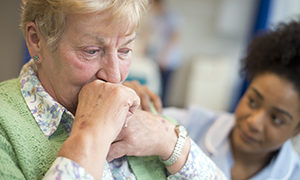
Abnormal memory loss is the hallmark of most forms of dementia that community nurses and primary care teams encounter.
Image

In 2013, organisations across the city of Coventry committed to work together to reduce differences in health outcomes between the most affluent and most de
Image
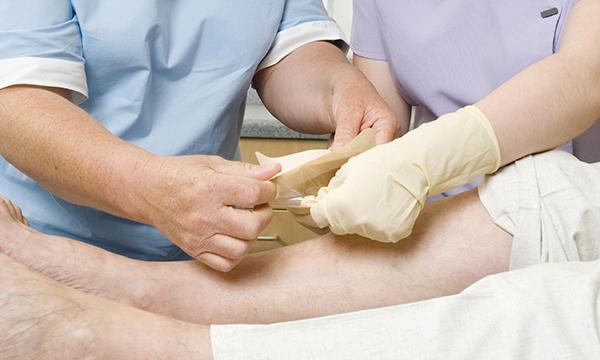
This article discusses the need for nurse mentors to receive adequate support to ensure that their experience, and the students, is a positive one.
Image

An eight-month project in Bristol to improve service for people with long-term conditions by using supported self-care involving technology was able to show
Image

This article provides an overview of relevant factors in dementia care.
Image

Homeless people face huge health inequalities.
Image

Individuals with severe mental illness (SMI) die on average 20 years younger than the general population.
Background Non-adherence to treatment is a major problem in tuberculosis (TB) control and leads to adverse outcomes and increased morbidity and
Image

A drive is under way to shift care from hospitals to community settings. This is occurring at a time when many experienced practice nurses are retiring.
A team from the Open University interviewed women with learning disabilities on their experiences of making decisions about contraception.
Anticipatory prescribing is increasingly common in the UK, yet little is known about nurses’ roles in the process.
A nurse-assisted, community-led health initiative, part of a Canadian-Irish project called ‘Transformative Praxis: Malawi’, has been developed with the aim
Optimal blood pressure control in patients with hypertension is the key to reduced risk of developing complications, and medication adherence is an important yet often ignored factor influencing blood pressure control.
The move towards healthcare being delivered predominantly in people’s own homes has been seen as creating more choice and giving patients better access to care.
Weight management is a game of chance for most children and young people, and is dependent on service availability and the expertise of the provider.
This article describes how adult community nursing teams in one NHS trust, Pennine Care Foundation, implemented supported self-management within a wound-care pathway.
Against the backdrop of ever-increasing numbers of people with type 2 diabetes, this article highlights the urgent need to implement strategies targeted at prevention, especially in high-risk groups.
Over the past three decades, there has been growing awareness and concern about the burden of ill-health experienced by men.