Health visitors in south Wales set to strike after NHS employer ignores job evaluation appeal
CPD articles
Image
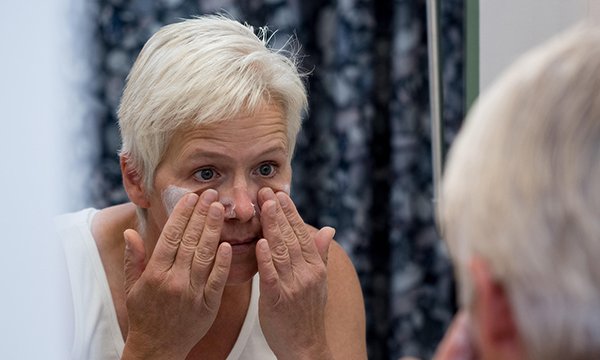
Skin changes associated with age are inevitable. Ageing is associated with structural and functional changes of the skin that result in increased vulnerability.
Image

Faecal incontinence is an impaired ability to control the passage of stool, often described as involuntary loss of solid or liquid stool, and t
Image
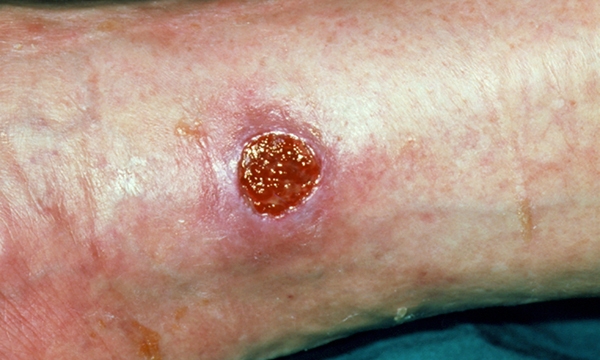
A venous leg ulcer (VLU) is defined as the loss of skin below the knee on the leg or foot in the presence of venous disease, which takes more than two weeks to heal.
Image
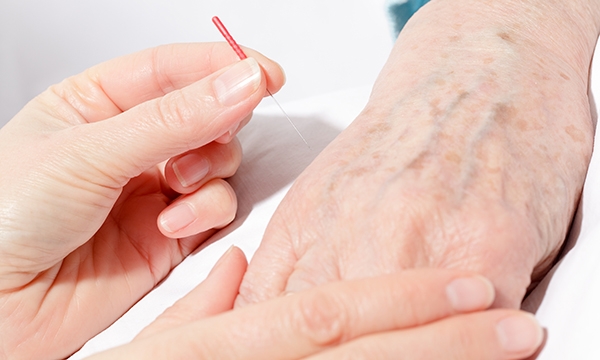
Pain is a diverse, individual experience and is associated with distress and suffering.
Image
Pressure ulcers are painful, and affect patients’ health, mobility and well-being. They also cost the NHS between £1.4-2.1 billion a year.
Pressure ulcers are painful, and affect patients' health, mobility and well-being.
Parkinson's disease (PD) is a common progressive neurological condition.
Image

Parkinson’s disease (PD) is a common progressive neurological condition.
Image
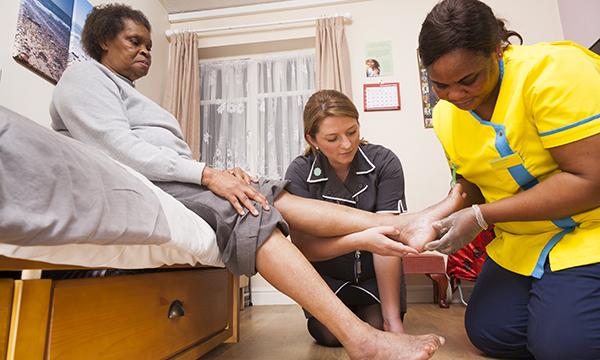
Pressure ulcer prevention in the care home setting can be challenging and is often compromised by a lack of access to education and resources.
Pressure ulcer prevention in the care home setting can be challenging and is often compromised by a lack of access to education and r
Urinary tract infections (UTIs) are common in older people, with the prevalence increasing with age in both sexes. UTI is a frequent reason for emergency admission to hospital.
Frailty is a clinical syndrome that focuses on loss of reserve, energy and wellbeing. Older people with frailty tend to present late and often in crisis to health and care services so their care may be hospital-based, episodic and unplanned.
Social isolation and loneliness are significant threats for older people and may be associated with mental and physical health problems.
This article explores the use of reflection and critical thinking during a return-to-practice programme, demonstrating both concepts and their value in developing insight.
Poor appetite is a common problem in older people living at home and in care homes, as well as hospital inpatients. It can contribute to weight loss and nutritional deficiencies, and associated poor healthcare outcomes, including increased mortality.
National guidance for working with people whose behaviour challenges in dementia care suggests that a psychosocial approach should be the first-line intervention.