Health visitors in south Wales set to strike after NHS employer ignores job evaluation appeal
Clinical
The aim of this project was to provide training to nursing staff to improve their confidence and knowledge when caring for children a
We have developed an information leaflet with advice on how to support children before, during and after a planned clinical procedure,
Appropriate respite care for children with life-limiting conditions (LLC) and their families is the cornerstone of high quality paediatric care.
The number of children and young people diagnosed with cancer is increasing every year.
The number of adolescents with Crohn’s disease (CD) is rising, with one third of cases diagnosed before turning 21 years old.
Disorders and diseases with common symptoms that constitute syndromes.
Daniel Allen summarises the latest guidance on childhood diabetes.
Image
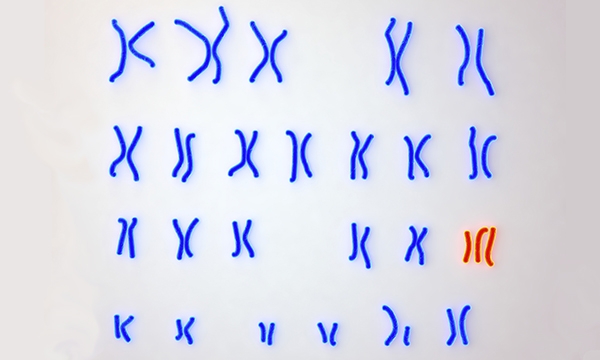
A series about disorders and diseases with common symptoms that constitute syndromes.
Image

Aim This study explores the effects of improvised somatic dance (ISD) on children and young people experiencing acute pain following orthopaedi
This article describes the implementation and evaluation of a new partnership between a children’s hospice service and an NHS children’s community nursing team to support childr
Image
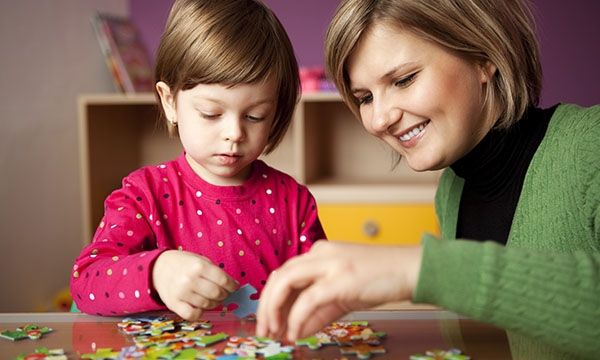
Healthcare play specialists (HPSs) provide therapeutic play programmes for children in healthcare settings.
The UK is considered to have the highest rates of morbidity and mortality in children and adults with asthma in Europe
The readiness of a child or young person for discharge includes patient safety, the family’s ability to care for the child at home and the ongoing treatment they will need, which has a direct influence on their health outcomes and future readmissions to hospital.
Aim To develop and evaluate the use of a specific picture book aiming to prepare children for anaesthesia and surgery.
Cystic fibrosis (CF) is one of the most common life-limiting genetic conditions. This article presents a case study of a teenager with one of the rarer presentations of CF. This case study explores the experiences of her and her family.
Background Adolescent idiopathic scoliosis is a three-dimensional curvature of the spine of unknown cause that occurs in often otherwise fit young people. A complex surgical procedure is required for the most severe curves.
This article examines the evidence about ‘what works’ in supporting self-care in relation to children or young people with physical and mental health conditions.
The study, outlined in this article, aimed to ascertain the effect of length of surgery and opioid consumption on length of stay and bowel dysfunction, and to review current post-operative bowel practices.