Health visitors in south Wales set to strike after NHS employer ignores job evaluation appeal
Clinical
Various styles of communication can be used when working with people with mental health issues, and all formats can contribute to therapeutic goals.
This article, which uses a dialogue between a mental health nursing student and an academic, aims to promote hybridity as an anti-stigmatising resource in m
People with severe mental illness (SMI) are at risk of chronic physical health conditions.
Recovery-focused mental health nursing care has been at the forefront of mental health strategic development in Scotland since the 2006 Scottis
Image

In the UK, police officers who respond to people in mental health crisis must judge whether or not the people they are dealing with require assessment by me
Image

An internet search using the words ‘support time recovery worker’ returns a high number of results; yet many people have never heard of the role.
Image
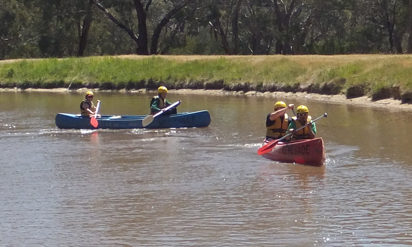
This article describes the implementation and evaluation of an annual camp at a secure unit in Australia.
Image
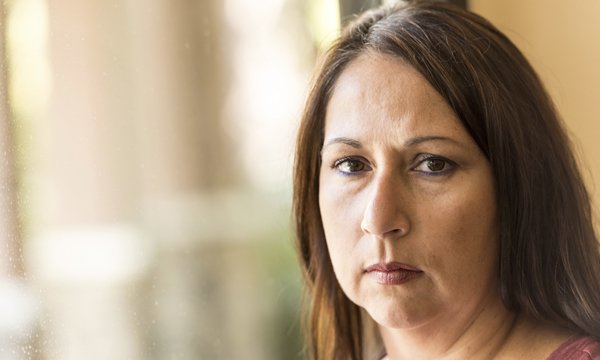
Young onset dementia service provision and its effect on service users and family members
Image
Dementia in people under the age of 65 is not well recognised and is generally treated in the same way as it is in people aged over 6
Image
Many service personnel return home from overseas deployment dramatically changed by their experiences, but, unlike physical wounds, mental health issues are
Image
The Institute of Mental Health has been delivering accredited peer support training since 2009.
Image
The human-animal relationship has been much studied over recent years, but little attention has been paid to the effects of the death of animals on people.
Nursing care makes a significant contribution to the mental health of young people worldwide. Three quarters of all mental illness begins before people reach the age of 25.
Background Safewards is a multicomponent, evidence-based conflict and containment reduction intervention that has demonstrated effectiveness in general acute mental health settings.
This article describes and evaluates an educational intervention that used a drama and theatre workshop to foster communication and interpersonal skills in mental health nursing students. Thirty-nine (77%) agreed or strongly agreed that the workshop was an excellent way to teach these skills.
Background Dialectical behaviour therapy (DBT) is recognised as a successful treatment for borderline personality disorder. There is a body of research suggesting it can be helpful for other diagnoses. A full DBT programme, however, is expensive.
This article explores and analyses the negative attitudes adopted by some staff towards patients living with borderline personality disorder from the perspective of a third year mental health nursing student.
This article is an extended personal reflection on the context of learning and leading learning from the author’s perspective as a mental health nurse and clinical manager.