Why new Down’s syndrome guidance has to reflect lived realities
While a consultation on new statutory guidance on how to support people with Down’s syndrome better is welcome, it fails to recognise learning disability nurses as a distinct group with specialist expertise who should be central to making the guidance work in practice.
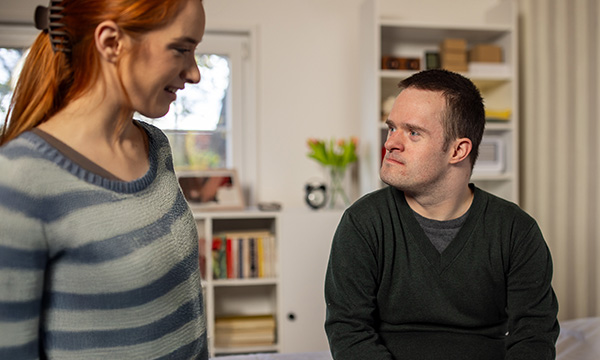
While a consultation on new guidance is welcome it fails to recognise learning disability nurses as a distinct professional group with the expertise to make it work
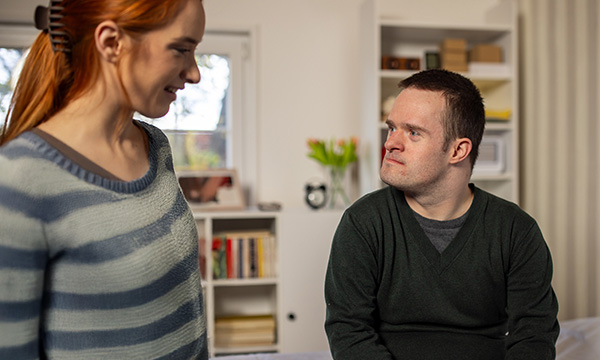
Following the Down Syndrome Act 2022, the government is consulting on new statutory guidance that will shape how health, social care, education, housing and employment services support people with Down’s syndrome – along with others who have similar needs, including people with a learning disability – in England.
‘The draft guidance fails to recognise learning disability nurses as a distinct professional group with specialist expertise’
This is a welcome step and a real opportunity to improve outcomes and clarify responsibilities across systems. But what matters just as much is what the guidance does not yet say.
The guidance can only succeed if the right workforce is in place. At present, learning disability nursing and specialist learning disability multidisciplinary teams are not recognised explicitly. Without this clarity, integrated care boards are unlikely to prioritise or invest in the specialist workforce needed to meet complex needs, deliver reasonable adjustments, and support access to mainstream and specialist services.
Learning disability nurses are central to making any guidance work in practice
While the draft guidance refers to training and awareness, it fails to recognise learning disability nurses as a distinct professional group with specialist expertise. This omission is significant. Learning disability nurses are central to making the guidance work in practice: tackling health inequalities; preventing diagnostic overshadowing; supporting transitions across the lifespan; coordinating care; advocating for individuals and ensuring reasonable adjustments happen.
People with Down’s syndrome continue to experience avoidable health inequalities and reduced life expectancy, including higher rates of cardiac, respiratory, endocrine and immune conditions. These outcomes are not inevitable but addressing them requires specialist nursing expertise embedded across systems.
This consultation is an opportunity to ensure the guidance reflects lived realities. Learning disability nurses and specialist learning disability teams must be recognised not as optional extras, but as essential to delivering the act’s ambition of equitable, high-quality care.
The consultation at Down Syndrome Act 2022 draft statutory guidance – consultation document only takes a few minutes to complete and closes on 30 March.

 Have you tried RCNi Plus yet?
RCNi Plus offers unlimited access to RCNi Learning, Learning Disability Practice, Nursing Standard, our other specialist journals and RCNi Revalidation Portfolio to store your CPD for revalidation. Use the discount code TRIALPLUS to get it half price for three months. Click here for more details