Health visitors in south Wales set to strike after NHS employer ignores job evaluation appeal
Clinical
Image

This integrative review is the first of a two-part series about intimate partner violence
Image
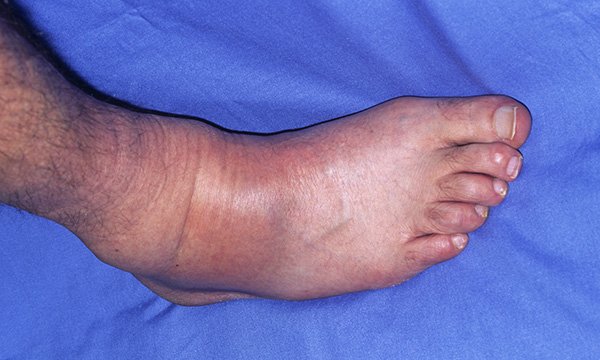
Aim Stable ankle injuries are highly prevalent in the UK. Prevention of complications and reoccurrence is essential.
Image

How nurses can safeguard against secondary traumatic stress
Image

A quality improvement project undertaken in one ED at a major tertiary referral hospital
Image

Implementing trauma pathways in two of Oxfordshire’s community minor injury units
Image

This article highlights the potential harm caused by gastric acid
Image

This article challenges the perception of the target as beneficial for all patients
Image

The second part of our emergency nurse guide on nerve agents
Image

Follow-up to a paper-based questionnaire of emergency department staff's opinions
Image

Following critical events many people experience a period of emotional and cognitive disturbance before re-establishing well-being without the need for formal psychological supp
Image
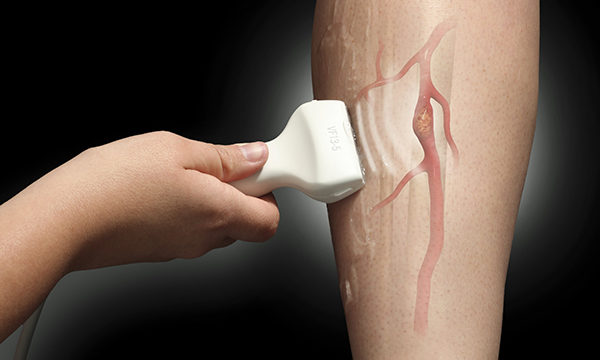
Clinical factors in prescribing anticoagulation for a patient with a DVT
Image

An overview of these agents, their history and manufacture, and how they affect physiology
Evaluating the effectiveness of two established pain assessment tools for children
This article reviews the evidence associated with the Royal College of Nursing (2017) Emergency Care Association National Curriculum and Competency Framework for Emergency Nursing to inform the process of implementation in an emergency department.
The UK has a serious shortage of nurses and for the first time in recent nursing history 27% more UK registrants left the register in 2016-2017 than joined it. Emergency nurses are particularly affected as their environment is unpredictable, fast-paced and increasingly crowded.
Aim Researchers have begun to examine work engagement in nursing, but there is little research specific to work engagement in emergency department (ED) nurses. The erratic nature and increased requirements of EDs adds to the burden on leaders to meet patient demands while keeping staff engaged.
Frequent attenders to emergency departments (EDs) are a heterogeneous group who have traditionally been patched up and discharged with little support.
Atrial fibrillation (AF) is the most common arrhythmia, and there is a one in four lifetime risk of developing the condition for people who are over the age of 40.