Health visitors in south Wales set to strike after NHS employer ignores job evaluation appeal
Clinical
Blood loss due to trauma is a leading cause of death in young people and is the result of the ‘lethal triad’ of hypothermia, acidosis and coagulopathy, whic
Cannabinoid hyperemesis is a newly emerging syndrome that manifests as intractable nausea and vomiting in people who regularly smoke cannabis.
Acute heart failure (AHF) is a leading cause of hospital admission in the UK and is associated with significant mortality.
Conducting research in emergency departments is relatively new, and there are a number of ethical and practical challenges to recruit
Envenomation by spiders or scorpions is a public health problem in many parts of the world and is not isolated to the tropics and sub
Management of severely injured patients is complex and requires organised, expert care.
Healthcare professionals manage patients with a vast range of conditions, but often specialise and acquire expertise in specific disease processes.
Chronic venous leg ulceration is a long-term condition commonly associated with lower-limb injecting and chronic venous hypertension caused by collapsed vei
One of the main complaints from patients who present to emergency departments with illness or injury is pain, yet often this is not well managed in emergenc
Overcrowding and prolonged patient stays in emergency departments (EDs) affect patients’ experiences and outcomes, and increase healthcare costs.
Boxer’s fractures are common hand injuries, but their management varies greatly.
Image
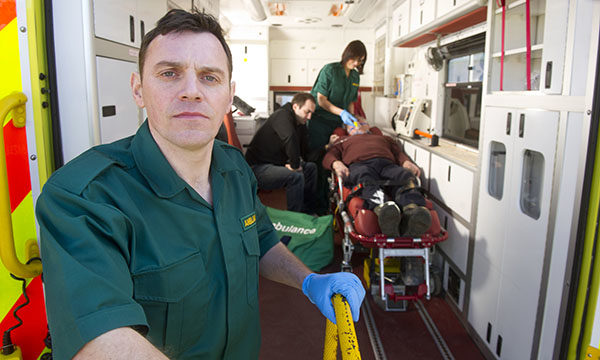
Interventions that could prevent the debilitating effects of death anxiety and improve staff’s mental health
Assessment and management of pain in pre-hospital care settings are important aspects of paramedic and clinical team roles.
Traditionally, healthcare professionals have been expected to acquire technical skills while minimal attention has been paid to the non-technical skills (NTS) they require to work in complex health environments, such as resuscitation rooms.
A significant body of research suggests there is a correlation between measured emotional intelligence (EI) abilities and performance in nursing.
Acute meniscal knee injuries can lead to instability of the joint if they are left untreated, but clinical examinations of patients’ acutely injured knees can be challenging because of the pain and swelling involved.
The causes of febrile convulsions are usually benign. Such convulsions are common in children and their long-term consequences are rare.
There is evidence to suggest that the use of mild induced hypothermia (MIH) in patients who have had cardiac arrest can improve neurological prognosis and long-term survival to discharge rates, although there is some debate in the literature on the efficacy of the procedure.